
Ethical Photographer
“In the illustrated magazines, people see the very world that the illustrated magazines prevent them from perceiving.”
– Siegfried Kracauer
A Personal Code for Carrying a Camera in a Complicated World
I’ve been making photographs my entire adult life. For most of that time, I thought about composition, light, and moment—the craftsman’s concerns. I rarely thought about ethics. Not because I was careless, but because photography felt innocent. I was just recording what was there.
Then I encountered the work of Siegfried Kracauer, a German writer observing the rise of picture magazines in the 1920s. He noticed something unsettling: the more photographs people consumed, the less they actually saw. The images created an illusion of access to the world while systematically obscuring the structures that shaped their own lives. The masses were seeing what they were prevented from perceiving.
I realized Kracauer could have been describing our Instagram feeds.
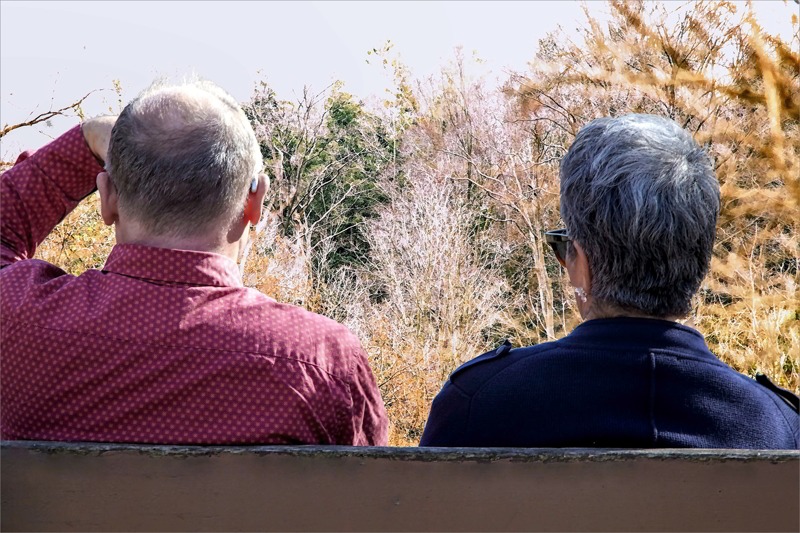
The photograph is a peculiar tool. It carries an undeniable link to reality—light really did bounce off that person, that place, that moment. And yet, the photographer chooses what to include, what to exclude, the angle, the lens, the exact millisecond to press the shutter. This duality is both the photograph’s power and its danger.
Commercial propaganda (and yes, much of what floods our feeds qualifies) has perfected the art of weaponizing this power. It uses photography to sell not just products, but lifestyles, desires, and a carefully curated version of reality that leaves us scrolling, wanting, and strangely disconnected.
I don’t want my photographs to serve that machine. Even unintentionally.
So I’ve been developing a personal code—a set of questions I carry with me, literally sometimes on a card in my camera bag. They don’t guarantee moral purity (nothing can). But they keep me awake. They remind me that with this powerful tool comes responsibility.
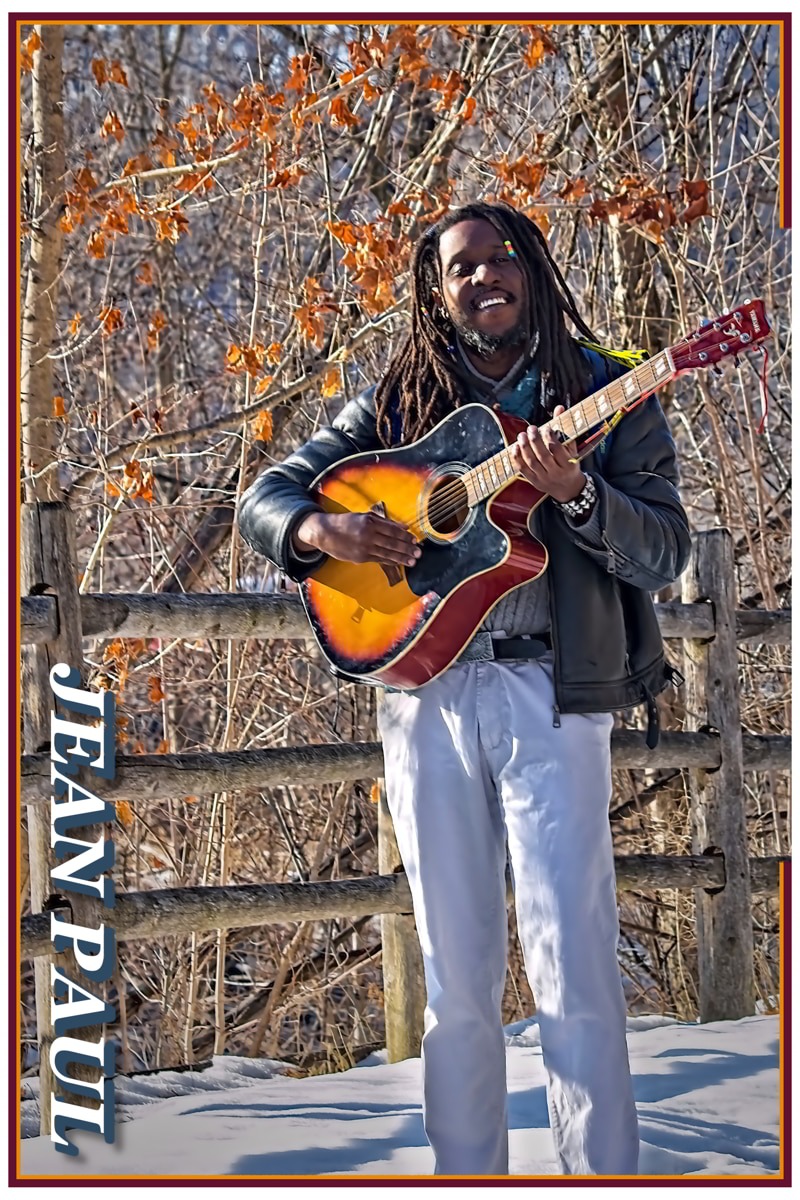
Six Precepts for the Ethical Photographer
1. The Precept of Informed Consent
Am I taking from this person, or making with them?
If someone is in a vulnerable state, I ask permission. If they can’t give it, I ask whether the image’s necessity outweighs their dignity. I learn a few words in the local language: “May I?” and “Thank you.” I show people their images. If they hate it, I consider deleting it. My artistic vision does not trump their right to their own likeness.
2. The Precept of Context
What exists just outside this frame?
Kracauer’s warning was about the photograph that obscures the system. I fight this by ensuring my images don’t lie by omission. When I post, I write captions that add context, not just aesthetics. “Homeless man sleeps on bench” is lazy. “After the shelter closed its doors at 7am due to funding cuts, James waits for the library to open” is a photograph with context. It points to the system.
3. The Precept of Restraint
Is capturing this moment more important than being present in it?
Sometimes the most ethical act is putting the camera down. In moments of crisis or grief, I ask: “Can I help?” before I ask: “Can I shoot?” If someone asks me to stop photographing, I stop. No exceptions.
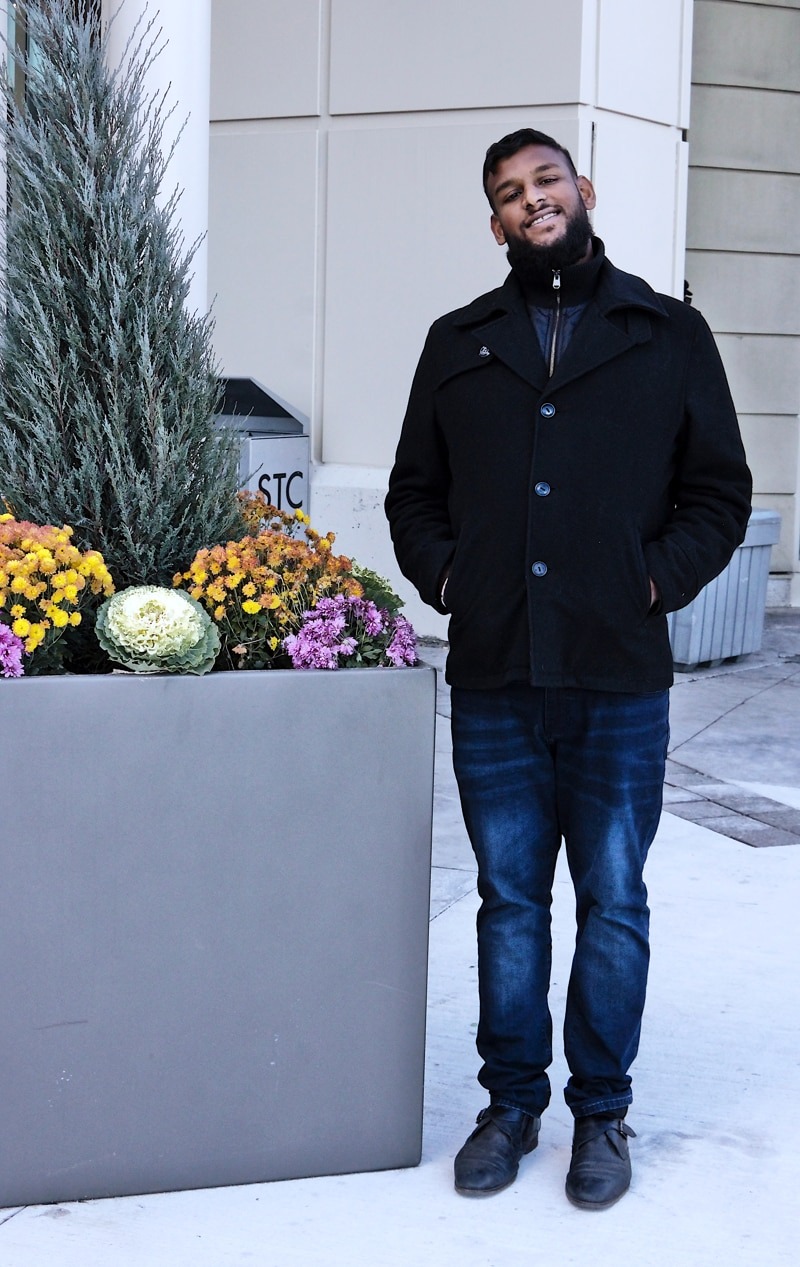
4. The Precept of Anti-Perfection
Am I making this image look “like an ad”?
Commercial propaganda thrives on a specific kind of beauty: flawless, polished, and desiring. I consciously refuse this aesthetic. I leave the blemishes. I embrace “imperfect” light. Wrinkles, scars, and asymmetries are evidence of a life lived.
5. The Precept of Self-Interrogation
Who am I to take this?
If I am an outsider photographing a marginalized community, I am in a position of power. I ask myself how I’m using it. Can I collaborate with someone from that community? Can I give them a camera? Can I amplify their voices instead of speaking for them?
6. The Precept of Purpose
Am I making this for “likes” or because the story needs to be told?
The algorithm rewards speed, shock, and spectacle. I try to work against this. I slow down. I work on long-term projects that allow for genuine understanding, not quick viral hits. I am not a “content creator.” I am a photographer. Content is disposable. Photographs, made with integrity, can last.

Beyond Portraiture
These principles don’t only apply to people. They shape how to interact with all our subjects. This image of the deer in a conservation in Toronto, taken at a distance with a tele-lens, is a reminder that observation should be a quiet, respectful act—one where the subject is aware and unburdened by the photographer’s presence.
A Daily Practice: The Evening Review
At the end of each day of shooting, before I edit, before I post, before I do anything with the images, I sit with them quietly for a few minutes. I ask myself three questions:
- If I were the subject, would I feel seen or exploited?
- What story does this image tell on its own? What story does it need to tell?
- Tomorrow, will I be proud to have made this?
- This small ritual doesn’t make me perfect. But it makes me present. And presence is the antidote to unintentional harm.
Invitation
This code is a work in progress. I don’t always get it right. But I believe that asking the questions is itself a form of ethical practice.
If you carry a camera—whether a Leica or an iPhone—I invite you to join me in this reflection. What questions do you ask yourself before you press the shutter? What would your own code include?
The world has enough images. What it needs are photographs made with care.
The Cornerstone of My Practice
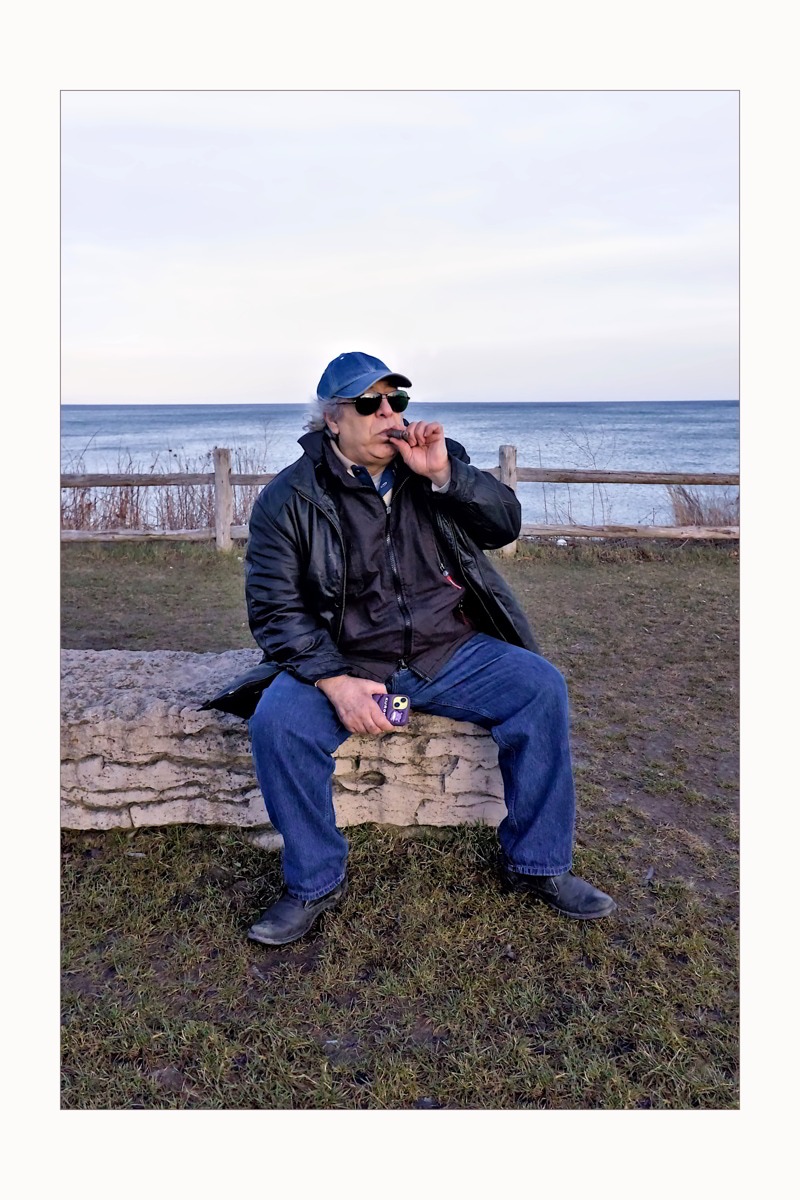
The portraits on this page represent a specific choice. While I have taken many portraits I cherish, I have chosen only to display those where I have obtained clear and explicit permission from the subject. I believe a person’s image is their own, and displaying it publicly requires their informed consent.
The Image is completed by You!
A photograph is not a statement, but a question. The answer—the meaning—is found in the space between the image and the person viewing it. You are the final, essential part of this process.
I invite you to:
- Look Slowly: Resist the urge to scroll. Give the image time to speak.
- Consider the Context: Think about the relationship and trust required to make this portrait possible.
- Bring Your Own Story: What do you feel? What memories or thoughts arise? Your perspective is what brings the photograph to life.
This is the constructivist view: that we build understanding together. You are not just seeing a photo; you are participating in its meaning. Thank you for being a thoughtful member of this process.
“For me, the subject of the picture is always more important than the picture.”
— Diane Arbus